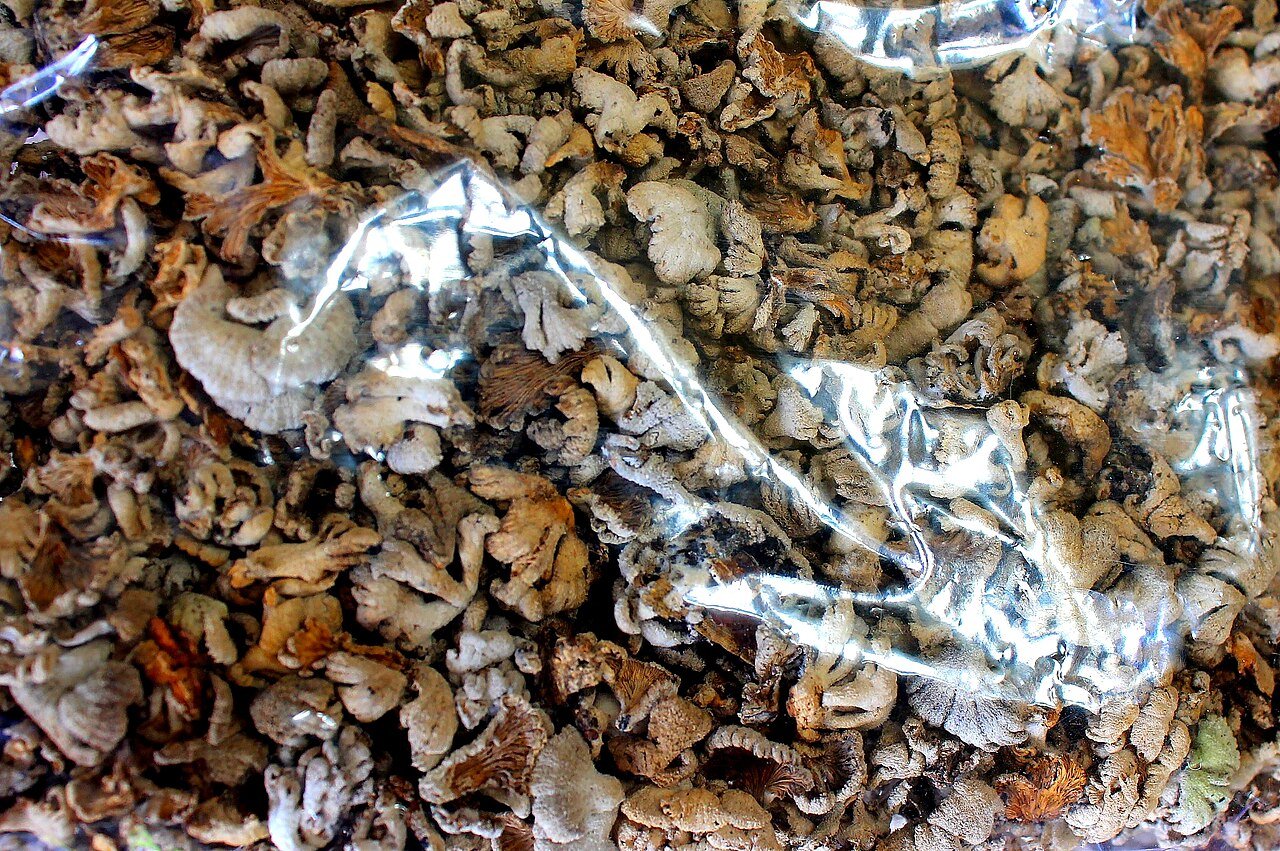
Wild mushrooms growing on a forest floor

Field guides · Culinary varieties

The forest’s finest table, gathered with intention.

Foraging Supplies is a working field guide to the gourmet mushrooms we grow, gather and cook — every variety identified, described and demystified by people who spend their mornings in the woods.

Varieties documented12 culinary species
Every specimenExpert-identified
Our disciplineNever guess a mushroom

— The Varieties

Three of our most beloved mushrooms

A preview from the catalog — each variety profiled with its character, its kitchen uses and the care it asks for.

Golden chanterelle mushrooms 03 / Variety The Golden Wild One

Chanterelle

Cantharellus cibarius

The wild mushroom of summer oak forests — golden, apricot-scented and firm of flesh. It arrives with the first rains and disappears quietly, never cultivated at scale, only found.

Read the profile →

— Our Standard

Why foragers and cooks trust our work

We are a small team of cultivators, identifiers and cooks. This guide exists because good mushroom knowledge should be careful, generous and free.

01

Every specimen, expert-identified

Nothing enters these pages unidentified. Each variety is confirmed by our lead forager against field references — because with mushrooms, certainty is the whole game.

02

Cultivated & wild, never confused

We clearly separate what can be reliably grown from what can only be gathered. Wild varieties are documented with their season, habitat and look-alike warnings.

03

Written by cooks, for the kitchen

Every profile pairs the field with the stove: texture, flavor, prep and the cooking methods that show each mushroom at its best. No fluff, just useful craft.

04

Education first, always

This site is a library, not a storefront. We describe varieties informationally so beginners can learn the craft of identification before they ever lift a basket.

“
A mushroom teaches patience: it was mycelium long before it was a meal. Learn the forest first, and the table takes care of itself.
— From our field journal, first entry

— Field Notes

From our field journal

Short, practical entries from the woods and the kitchen — the habits that keep a basket honest and a meal excellent.

Storage

Paper, never plastic

Mushrooms breathe. Kept loose in a paper bag in the coldest part of the refrigerator, most varieties hold their texture for five to seven days. A sealed container turns them slimy within two.

Identification

Three checks before anything else

Spore surface, stem attachment and substrate. Confirm all three against a trusted field guide before a mushroom even considers your basket — and when in doubt, leave it growing.

In the Kitchen

Dry heat first, butter later

Start mushrooms in a hot, dry pan and let them release and reabsorb their own moisture. Only when the pan is glossy and the edges brown does butter — and salt — earn its place.